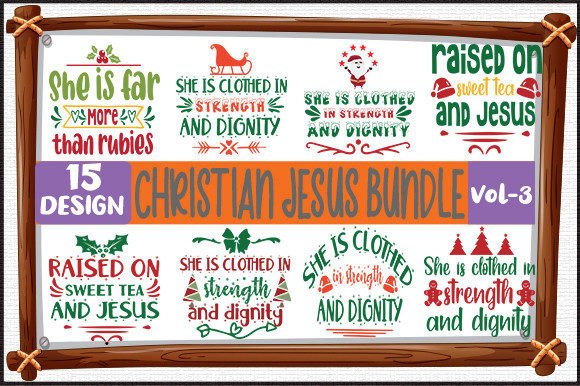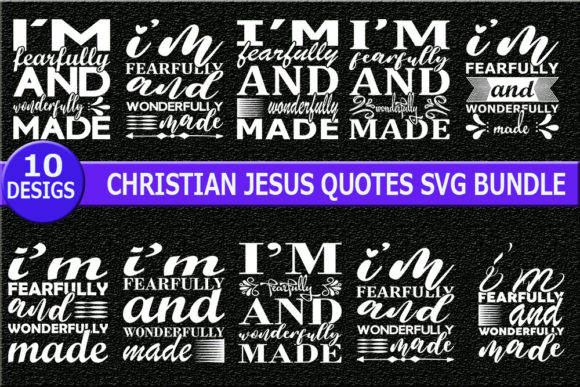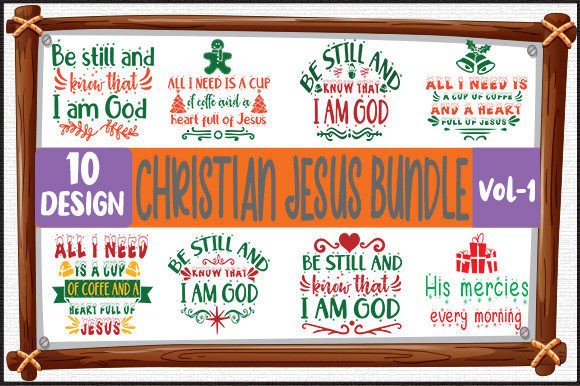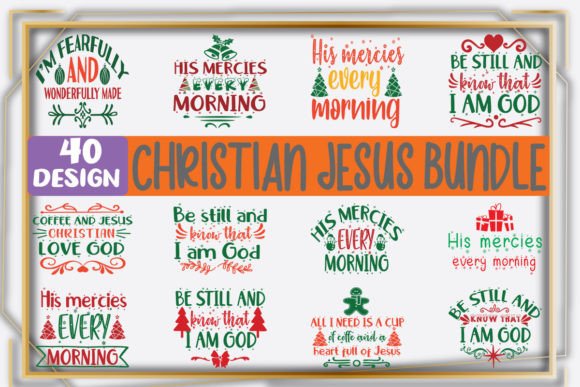
40 Christian Jesus Bundle: Graphics for Faith Crafts
As a digital publisher and blog designer, my first interaction with any new asset library is purely editorial. I am not looking at it as a crafter holding a vinyl cutter; I am looking at it as a content strategist needing to stop the scroll. When I unzipped the 40 Christian Jesus Bundle, my immediate assessment was focused on visual cohesion and niche authority. This collection does not feel like a random assortment of clip art. Instead, it presents a unified aesthetic that bridges the gap between traditional religious iconography and modern web design. The mood is reverent yet accessible, striking a balance that is essential for faith-based content marketing. For publishers in the spiritual lifestyle, devotional, or religious education niches, this graphic design asset offers an immediate solution to the "generic stock photo" problem that plagues so many ministry websites.
Establishing Editorial Trust Through Visual Consistency
In digital publishing, reader trust is often established before a single word is read. If your blog graphics look disjointed or amateurish, users subconsciously question the authority of your theological or educational content. The 40 Christian Jesus Bundle provides a consistent visual language across forty distinct designs. This consistency is vital for brand identity. When I tested these assets within a real blog layout, the uniform line weight and stylistic approach created a professional rhythm. Whether used for a Lenten devotional series or a year-round Bible study category, the visuals signal to the reader that this is a curated, thoughtful space. This level of intentionality in creative design directly supports higher engagement rates because the audience feels safe and understood visually.
Deploying Assets Across the Content Ecosystem
A versatile digital download must perform across multiple formats. In my workflow testing, I utilized the included PNG files specifically for web and social applications. The transparency and clean edges made them ideal for overlaying onto colored backgrounds in Canva templates. Here is how this bundle integrates into a comprehensive publishing strategy:
- Pinterest Pin Creation: The vertical composition of several designs allows for seamless integration into Pinterest pins. They serve as excellent focal points that complement bold typography without competing for attention.
- Website Header and Hero Images: Using the SVG files, I scaled graphics for website headers without pixelation. This ensures crisp rendering on retina displays and large desktop monitors, maintaining a polished web design standard.
- Digital Guide and Lead Magnet Covers: For content upgrades like PDF devotionals or email opt-in checklists, these illustrations provide instant cover art. They elevate a simple document into a perceived high-value digital product.
- Social Media Graphics: The square and landscape orientations work well for Instagram posts and Facebook shares, helping affiliate marketing content stand out in crowded feeds.
- Newsletter Banners: Email marketing relies heavily on visual warmth. These graphics add a personal, artisanal touch to newsletters that text-only emails lack.
Technical Versatility for Modern Web Design
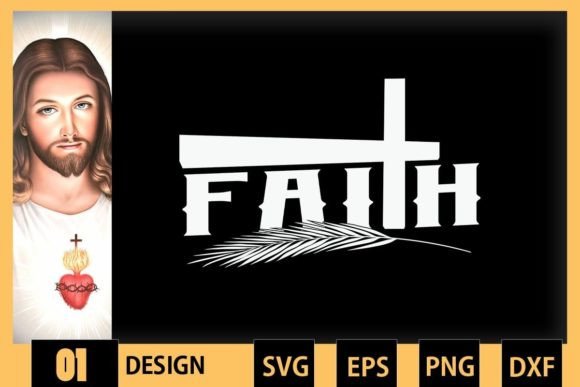
The technical specifications of this Christian Jesus SVG Design Bundle are tailored for hybrid use. The ZIP file contains 40 EPS Files, 40 SVG Files, 40 PNG Files, and 40 DXF Files. While the DXF and EPS formats cater to the crafts community and print production, the SVG and PNG formats are the workhorses for digital publishers. As a web designer, I prioritize SVGs for their scalability and small file size, which contributes to faster page load times—a critical factor for SEO and user experience. The PNGs included are high-resolution enough for print-ready downloadable resources but optimized enough for web use when compressed correctly. This dual-purpose nature makes the bundle a cost-effective investment for creators who manage both a content site and a small business branding storefront.
Optimizing Visual Hierarchy and Click-Through Rates
Visual hierarchy dictates where a reader looks first. In my testing, I found that these designs function best as supporting elements rather than standalone heroes. They excel at framing headlines or acting as bullet points in listicles. When paired with strong serif fonts for scripture references or clean sans-serif fonts for modern commentary, the graphics enhance readability rather than hindering it. This strategic placement improves click-through potential on featured images because the eye is guided naturally from the image to the title. However, publishers must be mindful of contrast. During my review, I noted that intricate details could get lost against busy photographic backgrounds. These assets shine brightest on solid colors, subtle gradients, or minimalist textures. Using them on low-contrast backgrounds diminishes their impact and can make the content appear cluttered.
Publisher Notes: Testing, Licensing, and Performance
Before deploying any graphic design asset on a monetized platform, rigorous testing is non-negotiable. I recommend previewing these designs on both mobile and desktop screens. What looks detailed on a 27-inch monitor may become indistinguishable on a smartphone thumbnail. Always test your featured images at actual display size. Additionally, font pairing is crucial. I successfully paired these illustrations with handwritten scripts for a personal journal feel and with bold display fonts for announcement graphics. Avoid using them with overly decorative typefaces, as the combination can reduce legibility.
From a business perspective, verifying the commercial license is paramount. If you are running an affiliate marketing blog, selling printable design products, or offering paid courses, you must ensure your usage rights cover these activities. This bundle appears positioned for broad creative use, but always confirm the specific terms regarding digital redistribution versus physical product sales. Furthermore, while SVGs are lightweight, PNGs can bloat your site. Always compress images using tools like TinyPNG or ShortPixel before uploading to your media library. This maintains the crispness required for professional editorial design while protecting your Core Web Vitals scores.
Where to Exercise Creative Restraint
While the 40 Christian Jesus Bundle is robust, it is not a universal fix. I advise caution when using these assets in highly corporate or academic theological contexts where a more austere, text-heavy aesthetic is expected. The artistic style leans towards lifestyle and inspiration, which may clash with rigorous scholarly formatting. Similarly, avoid placing these graphics in sidebars or footers where they compete with navigation elements or ad placements. In web design, negative space is as important as the graphic itself. Let the artwork breathe. Overusing forty unique designs on a single page dilutes their power; instead, rotate them seasonally or categorically to maintain freshness and relevance.
Ultimately, this collection serves as a bridge between the maker community and the digital publishing world. It respects the source material while providing the technical flexibility required for modern content marketing. For bloggers and educators seeking to deepen their connection with readers through intentional, beautiful visuals, this asset library offers a reliable foundation for building a trustworthy and engaging online presence.