Cross, Christian Sublimation Design: An Embroidery Review
As a professional designer who bridges the gap between digital assets and tangible textiles, I approach every new graphic with a specific question: will this actually work when thread hits fabric? When evaluating the Cross, Christian Sublimation Design, my perspective shifts from purely aesthetic to deeply technical. While this asset is categorized under Print Templates and Graphics, its potential application in the embroidery world requires a critical eye. As an experienced reviewer, I am looking at this PNG file not just as a sublimation transfer, but as a visual blueprint for a future machine embroidery design or mixed-media project.
First Impressions and Visual Weight
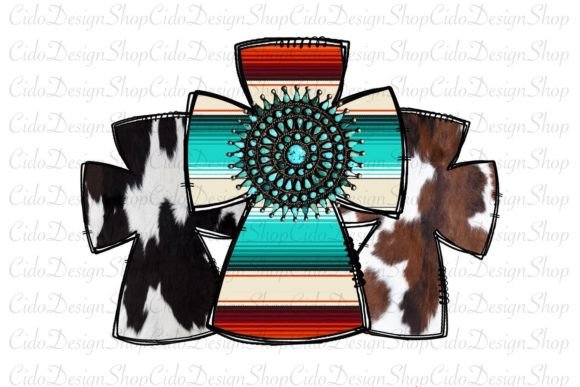
Upon opening the 300dpi PNG file with a transparent background, the first thing I assess is the line integrity. For sublimation, smooth gradients are key, but for embroidery adaptation, distinct separation of elements is vital. This Cross, Christian Sublimation Design presents a clean silhouette that immediately suggests versatility. The mood is reverent yet modern, avoiding overly ornate baroque details that often turn into muddy stitch clusters on fabric. Instead, the shape feels balanced, offering enough negative space to allow for creative interpretation if one were to digitize this as an applique design or a satin stitch outline.
The transparency of the file is genuine, which saves significant prep time. In my workflow, whether I am creating a printable mockup for an Etsy listing or preparing a base for a custom apparel project, having a true transparent background means I can instantly visualize placement without tedious editing. However, because this is strictly a raster graphic and not a vector SVG or native embroidery file, I must emphasize that it cannot be sent directly to an embroidery machine. It serves as a high-quality reference or a heat-transfer element to be paired with stitching.
Real-World Application: The Custom Tote Bag Test
To truly judge the viability of this design, I mentally placed it into a recent client scenario: a custom embroidered tote bag intended for church retreat merchandise. Tote bags present unique challenges due to canvas texture and the need for durability. If I were using this Cross, Christian Sublimation Design as a guide for a fill stitch pattern, the bold lines would translate beautifully against natural cotton canvas. The design’s proportions allow for a centered chest placement or a larger back-panel statement piece without overwhelming the bag’s structure.
In this real-life case, I considered how customers interact with faith-based handmade products. They expect clarity and longevity. A design that is too intricate might lose definition after washing, while one that is too simple might lack perceived value. This cross strikes a practical middle ground. It has enough visual personality to stand alone as a boutique product but remains simple enough to serve as a backdrop for personalized text, such as a name or scripture verse added via running stitch. For small shop owners, this balance is crucial for maintaining brand consistency across different inventory items.
Navigating Fabric Textures and Hoop Constraints
While the graphic itself is versatile, its translation to physical media depends heavily on material choice. I would use this Cross, Christian Sublimation Design confidently on stable woven fabrics like denim, twill, or quilting cotton. These materials provide the necessary foundation for either dense sublimation ink coverage or the tension required for embroidery. However, caution is warranted with stretchy knits or highly textured terry cloth. On a sweatshirt, for example, the fine edges of the cross could blur during the sublimation process or get lost under satin stitches if the stabilizer isn't adequate.
Hoop size is another critical consideration. Because this is a high-resolution PNG rather than a scalable vector, resizing it significantly downward for baby embroidery or cap designs may result in pixelation or loss of edge sharpness. Before committing this design to a small hoop size for a baby onesie or hat, I strongly advise testing the resolution at the intended print or digitization scale. For caps specifically, the curvature can distort flat graphics; this cross appears symmetrical enough to handle slight distortion, but a test run on scrap fabric is non-negotiable to ensure the vertical alignment remains true.
Elevating Product Value and Customer Trust
In the competitive landscape of Etsy sellers and craft business owners, presentation is everything. Using high-quality assets like this Cross, Christian Sublimation Design directly impacts buyer engagement. When I create digital product previews or printable mockups using this 300dpi file, the crisp edges convey professionalism. Customers trust finished products that look intentional and polished. A jagged or low-resolution graphic suggests amateurism, whereas this clean asset supports a premium price point for both digital downloads and physical goods.
Furthermore, the design’s aesthetic flexibility enhances giftability. Whether destined for a holiday gift, a wedding favor, or a memorial keepsake, the cross is a timeless symbol. Its neutral styling allows it to adapt to various color palettes without clashing. For commercial embroidery projects, this means you can offer a single design asset across multiple seasonal collections simply by changing thread colors or background fabrics, maximizing your return on investment for design assets.
Essential Technical Notes for Makers
Before integrating this Cross, Christian Sublimation Design into your production line, please heed these practical warnings derived from years of troubleshooting:
- Verify Licensing: Always confirm the specific license terms included with your purchase. Ensure you have commercial rights if you plan to sell finished products or use the graphic in digital embroidery file bundles.
- Format Awareness: Remember, THIS IS NOT AN SVG FILE. Do not attempt to auto-digitize this PNG without manual cleanup. Auto-digitizing raster images often results in excessive jump stitches and poor registration.
- Contrast Testing: Test the design on both light and dark fabric backgrounds. Sublimation only works on light polyester, but if you are using this as an embroidery template, ensure the thread colors provide sufficient contrast against your chosen fabric texture.
- Stabilizer Selection: If adapting this for embroidery, match your stabilizer to the fabric weight. A tear-away may suffice for sturdy canvas, but a cut-away is essential for any knit apparel to prevent puckering around the cross shape.
- Mockup Accuracy: Use the transparent PNG to create realistic mockups. Avoid placing the design over busy patterns in your preview images, as this can mislead buyers about the final product's visibility.
Final Verdict for Creative Entrepreneurs
The Cross, Christian Sublimation Design is a robust asset for the prepared maker. It excels as a foundational graphic for sublimation and serves as an excellent visual template for those willing to manually digitize or combine it with existing embroidery files. Its strength lies in its simplicity and high resolution, making it suitable for everything from nursery decor to commercial apparel. However, success depends on respecting the technical limitations of a raster file and understanding fabric behavior. By approaching this design with practical judgment rather than blind optimism, you can transform a digital download into a meaningful, high-quality handmade product that resonates with customers and stands up to real-world use.